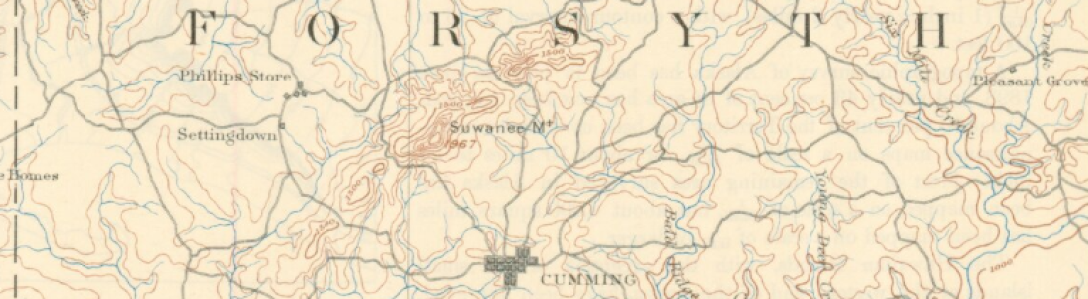
In southern Forsyth County, near the banks of the Chattahoochee River, a quiet road cuts across an old parcel of land. The trees are trimmed, the mailboxes neat, and the street bears a name that catches the eye: Hope.
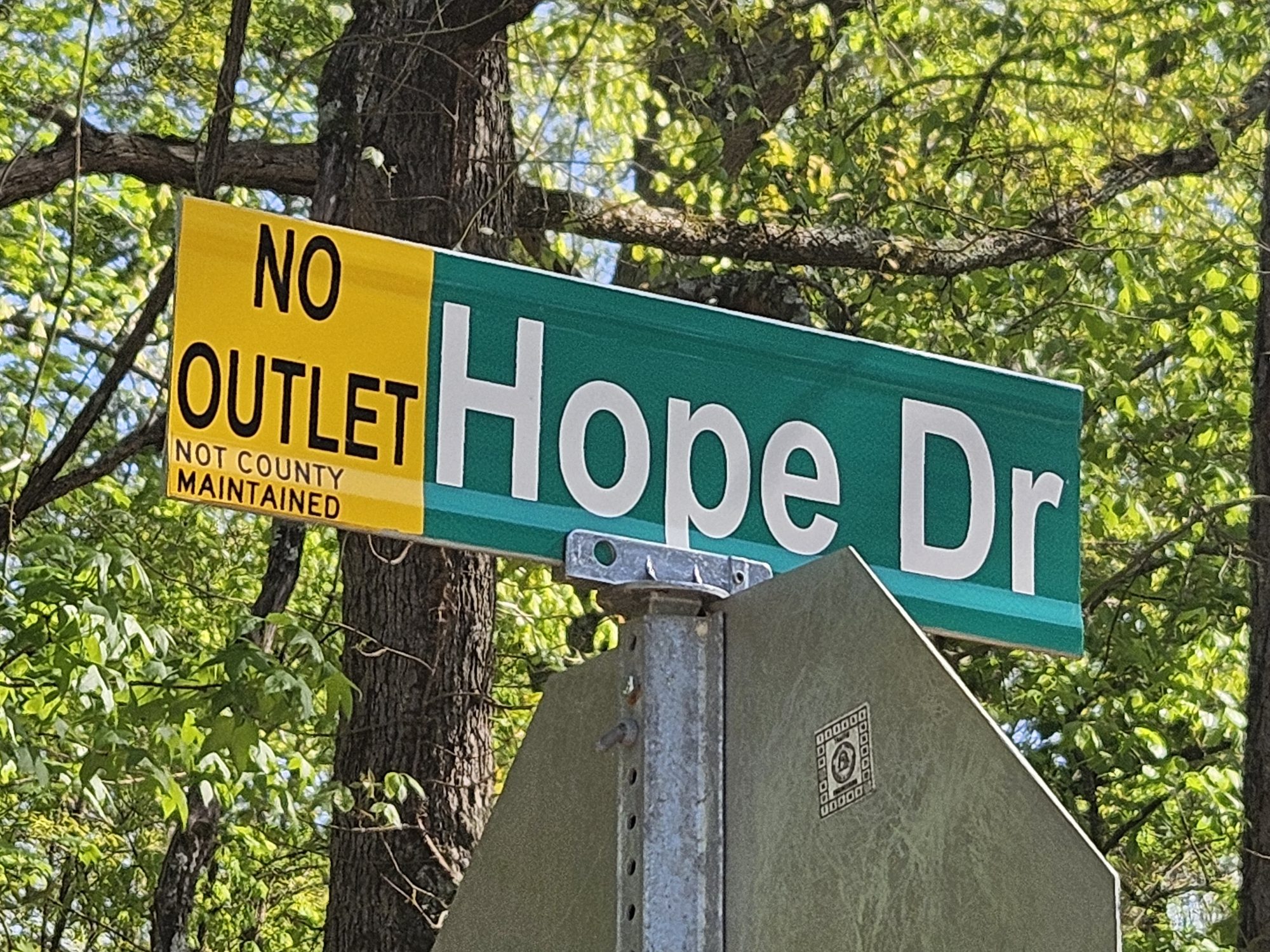
This road runs adjacent to a small neighborhood called Cascade Run. It’s the kind of place with well-manicured lawns and quiet streets. But just over a century ago, this land told a different story.
In 1910, a Black man named Morgan Strickland purchased 37.5 acres here, in what was then a remote and rural corner of Forsyth County1. His land sat in Land Lot 1012. It was fertile ground, close to the river, and for Morgan, it represented something powerful: ownership. A chance to build a future.
Morgan was born around 1863, during the closing years of the Civil War2. He was part of the first generation of Black southerners born into legal freedom. That freedom came with no blueprint, no inheritance, and few allies. Still, Morgan did what so many newly emancipated men aspired to do—he acquired land. This act, though quiet on paper, was radical in its time. It meant autonomy, a measure of safety, and the ability to shape a future on one’s own terms.
But in 1912, the fragile promise of Black landownership in Forsyth County came crashing down. That fall, a wave of racial violence and terror swept through the county. Threats and mob attacks forced out nearly every Black resident. Morgan Strickland disappeared from the tax rolls. There is no record of a sale, no transfer. His land simply ended up in someone else’s hands.
He fled to neighboring Gwinnett County, where he lived out the rest of his days3. He never returned to Forsyth.
Decades later, in 1974, a plat was recorded cutting a new road across his former land. That road was named Hope 4.
It’s a striking name. Maybe it was chosen at random, pulled from a list of optimistic-sounding words. But for those who know the history, the name lands differently. This land once held the hopes of a man born into bondage and freed into a world that barely tolerated his presence. He dared to plant roots here, to build something for himself. And then it was lost.
This post marks the beginning of a project dedicated to telling stories like Morgan Strickland’s. It is a project about land and loss, about the families who tried to hold on, and the forces that drove them out. I’ll be using deeds, tax records, census data, and contemporary sources to piece together what happened—who lived here, what they owned, and where they went when they were no longer welcome.
Hope still runs across Morgan’s land. And perhaps, even now, that name is not misplaced. Telling the truth is its own kind of hope. And honoring the people who came before us is a step toward something better.
Sources
[1] Forsyth County Clerk of Superior Court, Deed Book Z, p. 498.
[2] U.S. Census Records for Morgan Strickland, 1870–1930, approximate birth year listed as 1863–1865.
[3] U.S. Census, 1920, Gwinnett County, Georgia, listing Morgan Strickland as head of household.
[4] Forsyth County Clerk of Superior Court, Plat Book 10, p. 218 (recorded 1974).

 Lost Black Land of Forsyth County