The Hunter Brothers and the Erasure of Momentum

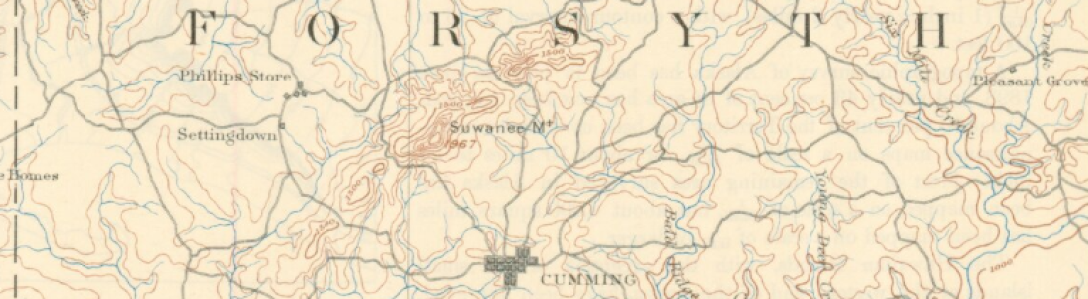
By 1912, brothers Alex, Warren, Charlie, and George Hunter had assembled one of the more substantial clusters of Black-owned land in Forsyth County, Georgia. Collectively, they controlled 159 acres, much of it concentrated near what is now the southern edge of the City of Cumming.

What distinguishes the Hunter family in the record is not only the amount of land they owned, but the way they engaged with it. Over several decades, members of the family bought, sold, refinanced, subdivided, and reassembled property in ways that suggest growing familiarity with real estate, credit, and long-term planning. At least 25 recorded deeds document transactions involving the brothers and their immediate family. This was not static ownership. It was active, informed, and increasingly sophisticated.

That momentum came to an abrupt end in late 1912, following the violent expulsion of Black residents from Forsyth County.

Warren Hunter: Frequent Transactions and Family Coordination

Warren Hunter’s land record reflects steady accumulation combined with frequent transactions. Beginning in 1899, he purchased a 40-acre tract in Land Lot 811. Over the following years, he bought and later sold smaller parcels, including a 2.5-acre tract along the Atlanta Highway2. Rather than representing simple expansion, these purchases and sales show repeated engagement with the land market.

Warren also acquired and later satisfied security deeds on a 20-acre tract in Land Lot 80, indicating the use of credit and the ability to clear obligations over time3. Several transactions involved transfers within the family. In 1907 and 1909, Warren sold small portions of Land Lot 81 to his brother George, then in 1910 bought acreage back4. These exchanges suggest coordination rather than liquidation.

On November 23, 1912, after more than a decade of ownership and management, Warren sold all remaining land at once, approximately 60 acres across Land Lots 81 and 805. His landholding history in Forsyth County ends there.

Alex Hunter: Early Ownership and a Significant Downtown Holding

Alex Hunter appears in the land records earlier than his brothers. As early as 1888, he owned a one-acre lot in the town of Cumming and later satisfied a loan on that property6. Over time, he continued to buy and sell town lots, maintaining a presence in the local real estate market.

One transaction in particular stands out. In August 1912, Alex sold a 7-acre tract located on or adjacent to the square in downtown Cumming and simultaneously purchased a 60-acre tract spanning Land Lot 140 and part of Land Lot 78.7

The timing is critical. This exchange occurred just weeks before the broader pattern of late-1912 sales that removed Black landownership from Forsyth County. By 1919, Alex had sold the 60-acre tract as well8. By 1920, Alex and Charlie appear in adjacent households in Douglas County, Georgia, suggesting that family continuity survived even as land ownership in Forsyth County did not.9

Charlie Hunter: Reclaiming and Losing Family Land

Charlie Hunter’s story highlights generational continuity and the role of extended family. Through his wife’s family, land in Land Lot 65 can be traced back to at least the 1880s.10 Taxes on this property were paid by Dorcus Pool beginning as early as 1885, indicating long-term, generational Black ownership well before Charlie himself appears as an owner.11

In 1903, Charlie and his wife, along with her siblings, sold what was described as “our mother’s place.” In 1910, Charlie bought the land back, purchasing his siblings’ interests and re-consolidating the property.12 This was a deliberate act of reclamation rather than speculation.

On November 8, 1912, Charlie sold the land again.13 This time, the sale came after the expulsion of Black residents from the county.

George Hunter: Participation Within a Shared Strategy

George Hunter owned less land than his brothers, but his role remains important. He acquired small parcels from Warren through multiple transactions and held land during the same period of expansion and consolidation14. His ownership appears closely tied to the family network rather than independent accumulation, reinforcing the impression that these brothers were acting in coordination rather than isolation.

An Abrupt End in 1912

What is most striking about the Hunter brothers’ land history is how suddenly it stops.

After years of buying, selling, refinancing, transferring land within the family, and reclaiming inherited property, every major holding connected to the family was sold in the fall and winter of 1912 following the violent removal of Black residents from Forsyth County. There is no gradual wind-down in the records. No intergenerational handoff. No indication that this was a planned exit.

Instead, the record shows a clean break.

The loss here is not only measured in acres. It is the erasure of momentum, the interruption of a trajectory that was clearly moving forward. The Hunter brothers had learned how to use land to build stability and opportunity. After 1912, that path was no longer available to them in Forsyth County.

Sources

  1. Forsyth County Deed Book W, p. 423. Forsyth County Clerk of Court, Cumming, GA.
  2. Forsyth County Deed Book Z, pages 214 and 215. Forsyth County Clerk of Court, Cumming, GA.
  3. Forsyth County Deed Book 1, p. 159. Forsyth County Clerk of Court, Cumming, GA.
  4. Forsyth County Deed Book 1 p 13, Deed Book 1 p 206, Deed Book 1 p 295 . Forsyth County Clerk of Court, Cumming, GA. (Two sales of one acre tracts to George, and repurchase of two acres)
  5. Forsyth County Deed Book 3, p. 2. Forsyth County Clerk of Court, Cumming, GA.
  6. Forsyth County Deed Book S, p. 360 and Deed Book U p 562. Forsyth County Clerk of Court, Cumming, GA.
  7. Forsyth County Deed Book 1, p. 565. Forsyth County Clerk of Court, Cumming, GA. (Purchase from and sale to C.T. Kemp. Two deeds recorded on same page.)
  8. Forsyth County Deed Book 3, p. 9. Forsyth County Clerk of Court, Cumming, GA.
  9. United States Census Bureau. Census of the United States, 1920 (Salt Springs, Douglas County, Georgia). Accessed via Ancestry.com. (Alex and Charlie appearing as adjacent names in census)
  10. Ancestry.com. Georgia, U.S., Property Tax Digests, 1793-1892. (Dorcus Pool paying tax on Land Lot 65-2-1 in years 1885, 1886, 1887 and 1890)
  11. ibid
  12. Forsyth County Deed Book 1 p 374, Deed Book 3 p 1. Forsyth County Clerk of Court, Cumming, GA. (Dorcus Pool heirs selling, Charlie later buying and buying back interest from wife’s siblings)
  13. Forsyth County Deed Book 1, p. 588. Forsyth County Clerk of Court, Cumming, GA.
  14. Forsyth County Deed Book 1 p 13, Deed Book 1 p 206. Forsyth County Clerk of Court, Cumming, GA.

From Forsyth to Vine City: The Life and Labor of Thomas Strickland

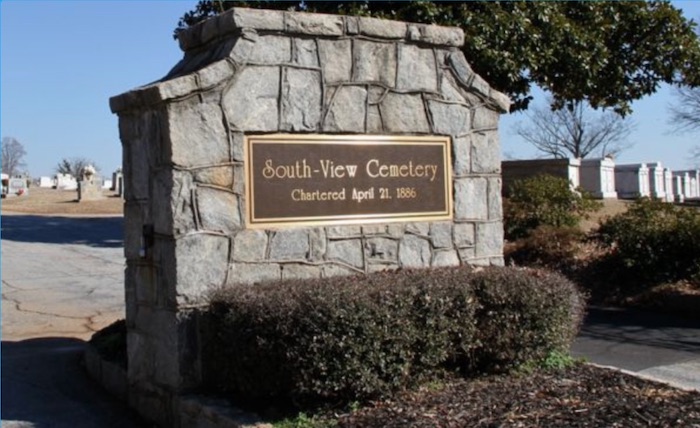
On Christmas Day, 1940, Thomas Strickland died in Atlanta. He was 78 years old. His death certificate listed his occupation simply: hack driver, retired. A man who once farmed 40 acres of land in Forsyth County had spent the last decades of his life navigating the crowded streets of the city. A month earlier, just after Thanksgiving, his wife Lula had passed away. They now rest at South-View Cemetery, one of the oldest Black cemeteries in the South and the final resting place of many civil rights icons. Their journey from landownership to urban labor reflects the quiet resilience of hundreds of families displaced by the racial violence of 1912.1 2

In 1910, Thomas Strickland appeared in the census as a landowning farmer in south Forsyth County. At 43, he was literate, married, and farming his own land. His wife Lula (née Hawkins) and daughter Cora lived with him. By then, Thomas had established himself among the county’s small but growing group of Black landowners, men and women who had carved out independent livelihoods in the decades following Reconstruction.3

But by the end of 1912, Thomas disappears from the county’s tax rolls.4 He sold his land in 1915 for $200 and, like so many others, left behind more than just acreage.5 What was lost was a community, a livelihood, and a rooted way of life.

By 1919, Thomas had reappeared in Atlanta. The city directory lists his occupation as “hackman”, a driver for hire, likely navigating a horse-drawn or early motor cab through Atlanta’s growing urban core.6 He lived in Vine City, a historically Black neighborhood just west of downtown. At the time, Vine City was a place of new beginnings for many displaced families. It would later become known for both hardship and historic legacy; Martin Luther King Jr. would live there decades later.7

Throughout the 1920s and 30s, Thomas continued working as a driver. He appears in the 1932 directory at 85B Walnut Street, still in Vine City. His earlier residence on Magnolia Street, and the quiet change in addresses over the years, hint at the modest but steady life he carved out in exile. Though no longer farming his own land, he continued to work, to earn, and to endure.

Alongside Thomas in both Forsyth and Atlanta was Jasper Strickland, a likely cousin, though their exact relationship remains unproven. In the 1910 census, Jasper appears immediately after Thomas, likely living on his land or nearby.3 Like many of the Stricklands, Jasper disappears from Forsyth after 1912. He surfaces in Atlanta by 1916, when he was arrested during a prohibition-era “blind tiger” raid, a term used for an illegal liquor sting.8 Jasper died young, in 1922. Thomas was the informant on his death certificate, a small but poignant signal that family bonds remained intact, even after displacement and hardship.9

Thomas’s wife, Lula, died on November 27, 1940.10 Six days after Thanksgiving. Thomas followed on December 25.11 Their funerals were held at different churches, but both were laid to rest in South-View Cemetery, a burial ground founded in 1886 by formerly enslaved Black men who were denied access to white cemeteries. Today, South-View holds the remains of civil rights leaders like John Lewis, Julian Bond, and the parents of Martin Luther King Jr.12 It is a place of memory and dignity. For Thomas and Lula, it became the final stop in a journey that began with promise on rural land and ended in a city that never fully replaced what they lost.

Thomas Strickland’s story is not one of defeat, but of persistence. Though his land was taken and his roots severed, he worked until the end. He kept family close. And in death, he joined a lineage of Black Atlantans whose lives bore witness to survival, adaptation, and quiet resistance.


Sources

  1. Obituary, Mr Thomas (Billy) Strickland, The Atlanta Constitution; Publication Date: 29 December 1940.
  2. Obituary, Mrs. Lula Strickland, The Atlanta Constitution; Publication Date: 1 December 1940.
  3. 1910 United States Federal Census, Big Creek Militia District, Forsyth County, Georgia.
  4. Forsyth County Tax Digest (1913), “Colored Digest,” Big Creek Militia District. Georgia State Archives, Morrow, GA. (No entry for Thomas Strickland)
  5. Forsyth County Deed Book 3, p. 599. Forsyth County Clerk of Court, Cumming, GA. (corrected deed filed Deed Book 3, p. 604)
  6. Ancestry.com. U.S., City Directories, 1822-1995.
  7. Wikipedia: “English Avenue and Vine City” https://en.wikipedia.org/wiki/English_Avenue_and_Vine_City
  8. “In ‘Blind Tiger’ Raid Five Are Arrested”, The Atlanta Constitution; Publication Date: 31 May 1916.
  9. Georgia Department of Public Health. Death Certificate for Jasper Strickland, October 29, 1922. Accessed via Ancestry.com.
  10. Georgia Department of Public Health. Death Certificate for Lula Strickland, November 27, 1940. Accessed via Ancestry.com.
  11. Georgia Department of Public Health. Death Certificate for Thos Strickland, December 25, 1940. Accessed via Ancestry.com.
  12. Wikipedia: “South-View Cemetery” https://en.wikipedia.org/wiki/South-View_Cemetery

The Myth of Oscarville: Setting the Record Straight

In recent years, Oscarville has become the focus of a viral narrative, one filled with ghosts, conspiracies, and submerged truths. It’s a story told in horror films, TV shows, and social media posts. But as compelling as it may sound, much of what is said about Oscarville is wrong.

If we want to understand what really happened in Forsyth County in 1912, we need to separate fact from fiction.

The Myths

Two recent pop culture works have helped fuel the Oscarville myth. One is Lanier, a low-budget horror movie about a haunted lake1. The other is the third season of FX’s Atlanta, which includes a fictional storyline about Oscarville being a thriving Black town violently destroyed and erased from history by Lake Lanier2. Wikipedia and other websites have repeated and expanded on these claims3.

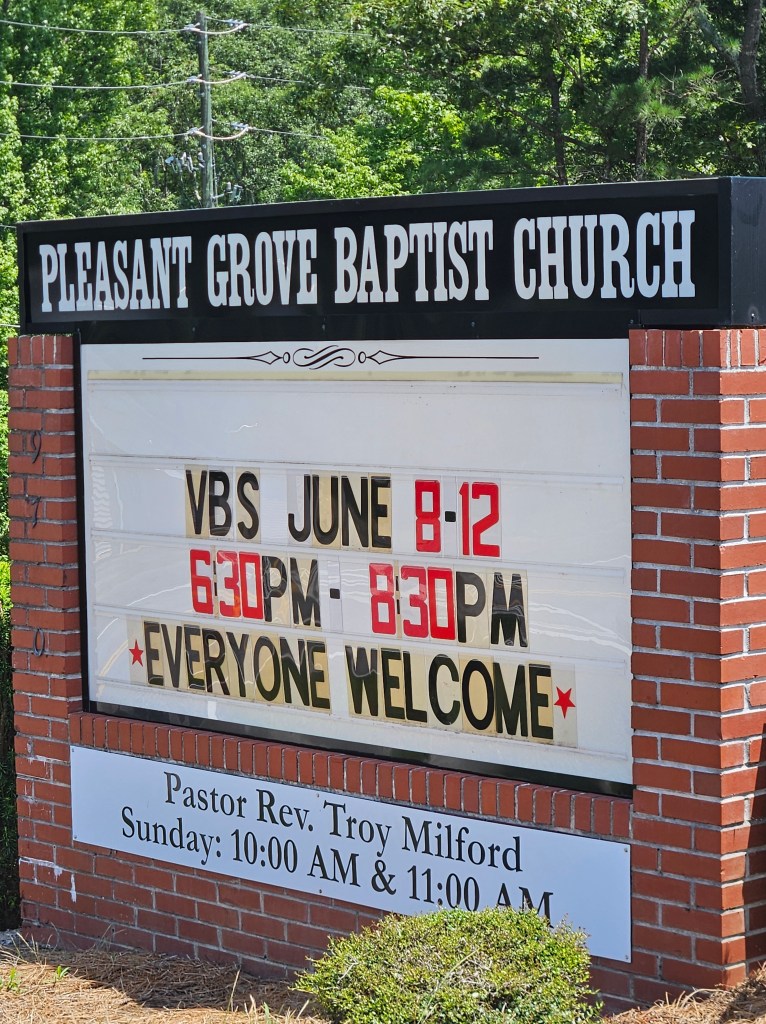
“Everyone Welcome” : A sign outside the church where Mae Crow is buried.

Some of the most common false claims include:

  • That Oscarville was “another thriving Black Wall Street”4
  • That it was a “majority-Black town”5
  • That it was “a bustling 1800s Black community full of blacksmiths, bricklayers, and carpenters”6
  • That Lake Lanier was created to deliberately cover up the town’s past
  • That the lake is haunted by Oscarville’s history

Other online sources and videos go further, conflating Oscarville with the entire 1912 expulsion of Black residents from Forsyth County. While these may be well intentioned, they miss the mark and obscure the real story.

The Facts

Oscarville was not a town in any formal sense, and it was never a majority-Black community. In the 1910 federal census, Oscarville fell within the New Bridge Militia District, which had:

  • 100 households
  • 513 total people
  • Only 7 Black households, representing just 37 Black residents7

Only one Black household owned land: the family of Garrett Cook, whose land ownership is documented in Forsyth County tax rolls and deeds8.

By contrast, Forsyth County as a whole had over 1,000 Black residents living in about 220 households in 1910. Most Black families lived in other parts of the county, not in Oscarville.

Why It Matters

The truth is painful and powerful on its own. After Mae Crow was assaulted and later died in 1912, a wave of violence swept through Forsyth County. Black homes were attacked. Families were forced out. Churches were burned. The terror began near Oscarville, but it did not end there. The entire Black population of Forsyth County was driven out, landowners and laborers alike.

When we reduce that history to a single town or wrap it in conspiracy theories, we risk missing the broader injustice. The real story is not about a lost Black city under a lake. It is about a county-wide campaign of racial cleansing that permanently reshaped Forsyth and destroyed Black communities across its landscape.

Getting It Right

Some recent work has pushed back on the myths and helped restore accuracy:

  • The WABE podcast “1912”, especially Episode 3, focuses on the Oscarville myth and its origins⁹
  • A thoughtful article by the Atlanta History Center addresses the difference between popular myth and documented fact10

Sources

  1. Lanier (2023 film). IMDb: https://www.imdb.com/title/tt15908740/
  2. FX series Atlanta, Season 3. Review: https://www.okayplayer.com/originals/is-atlanta-season-three-premiere-based-on-true-stories.html
  3. Wikipedia: “Lake Lanier.” https://en.wikipedia.org/wiki/Lake_Lanier
  4. YouTube: “Interview of the cast of Lanier.” https://www.youtube.com/watch?v=0Azi-O7jCX4
  5. Wikipedia: “Oscarville, Georgia.” https://en.wikipedia.org/wiki/Oscarville,_Georgia
  6. Macon Telegraph: https://www.macon.com/entertainment/tv-movies/article291372845.html
  7. 1910 United States Federal Census, New Bridge Militia District, Forsyth County, Georgia.
  8. Forsyth County Tax Digests, Garrett Cook, 1900–1913. Georgia State Archives, Morrow, GA.
  9. WABE Podcast: 1912, Episode 3: “The Myth of Oscarville.” https://www.wabe.org/podcasts/1912-forsyth-county/1912-the-my
  10. Medium: “Forsyth 1912: The Truth About Lake Lanier and Oscarville.” https://medium.com/theundercurrent/forsyth-1912-the-truth-about-lake-lanier-and-oscarville-6f61ec951e11

The First to Sell: Garrett Cook and the Oscarville Violence

In the fall of 1912, Garrett Cook sold his 27-acre property in Forsyth County, Georgia1 2. All available records suggest he was the first Black landowner to do so following the outbreak of racial terror that year. Cook’s decision to sell was not made freely. It came after armed men attacked his home and he and his wife, Josie, were forced to hide in the woods overnight to survive.

Garrett Cook was about 51 years old in 1912, likely born during the Civil War. Like many Black landowners in Forsyth County, he was among the first generation to secure land ownership after emancipation3. His property was located in the New Bridge Militia District, a part of the county known today as Oscarville. Cook was the only Black landowner in that area, and one of very few Black residents there at all4.

Oscarville sat near the center of the storm. Just about a mile from Cook’s land was Pleasant Grove Baptist Church, where the funeral for Mae Crow was held in late September 1912. Mae Crow, a young white girl, had been beaten and assaulted earlier that month, and her death became the spark for the violence that followed.

According to accounts collected in Patrick Phillips’ book Blood at the Root, the night after Mae Crow’s burial marked a turning point. Armed white men began shooting into homes and burning property. One white farmer, George Jordan, attempted to check on Garrett and Josie Cook but was chased off by a group of armed men. At first light, he returned and found their home riddled with bullets. The legs of the tables, chairs, and bed had been shot away. Garrett and Josie had hidden in the woods to avoid being killed. When Jordan urged Cook to return and defend the property, Cook replied that doing so would only get them both killed5. He left Forsyth County for good.

This account was preserved through a 1980 handwritten testimony and later interviews with descendants of the Jordan family, as documented in Blood at the Root by Patrick Phillips.


The Timeline of Events

Understanding the context of Cook’s sale requires looking at the timeline of events in September and October 1912:

  • Sept 8: Mae Crow goes missing
  • Sept 9: Mae Crow is found beaten and raped
  • Sept 10: Rob Edwards arrested and lynched in downtown Cumming
  • Sept 23: Mae Crow dies from her injuries
  • Oct 3: Trial of Ernest Knox and Oscar Daniel begins
  • Oct 4: Both are sentenced to death
  • Oct 10: Newspaper articles begin reporting the Black expulsion
  • Oct 11: Garrett Cook sells his land
  • Oct 25: Knox and Daniel are executed

Cook’s land sale occurred just one week after the trial ended and two weeks before the executions. His sale appears in Forsyth County deed records dated October 11, 1912, with the deed recorded on October 22. Notably, the document still lists him as “of Forsyth County,” suggesting he may not yet have resettled elsewhere. In contrast, future deeds involving other Black families begin to show sellers identified as residents of other counties, indicating that many families fled first and dealt with legal matters later.


    A Targeted Departure

    Author Elliot Jaspin has noted that Garrett Cook was the first Black landowner to sell his property during the 1912 racial purge6. The records support that claim. While the number of Black residents in Oscarville was small, the violence there may have marked the first full eruption of terror. The story of the Cook family being driven into the woods while their home was shot apart points to a targeted, early act of racial cleansing.

    Cook’s land was not simply abandoned. He was able to sell it, but the sale occurred under extreme duress. His story challenges the idea that Forsyth’s Black residents left voluntarily. This was not a quiet departure. It was a forced one.


    Looking Ahead

    In future posts, we will explore the stories of other families who were driven from Forsyth County. Some sold their land quickly, others fled and never returned to complete a sale. In Garrett Cook’s case, the violence came early, and the record of his sale helps mark the beginning of a tragic chapter in Forsyth County’s history.


    Sources

    1. Forsyth County Deed Book 5, p. 139. Forsyth County Clerk of Court, Cumming, GA. (Cook sale)
    2. Forsyth County Deed Book 5, p. 157. Forsyth County Clerk of Court, Cumming, GA. (Purchase by white buyers)
    3. Forsyth County Tax Digest (1912), “Colored Digest,” New Bridge Militia District. Georgia State Archives, Morrow, GA.
    4. United States Census Bureau, 1900–1930.
    5. Phillips, Patrick. Blood at the Root: A Racial Cleansing in America. New York: W. W. Norton & Company, 2016, pp. 67–68.
    6. Jaspin, Elliot. Buried in the Bitter Waters: The Hidden History of Racial Cleansing in America. Basic Books, 2007, p. 135.

    Toney Howell: A Life Caught in the Crossfire

    In the fall of 1912, a young man named Toney Howell sat behind bars in the Forsyth County jail. Outside, the county simmered with fear and violence. A white woman, Ellen Grice, was allegedly raped, and in response, the sheriff rounded up the usual suspects. Among them was Toney, barely eighteen years old, whose only real crime was being young, Black, and living in Forsyth County at the wrong time.1

    Newspapers warned that if a lynching took place, Toney Howell would likely be the victim. During this period, a Black preacher named Grant Smith was nearly lynched in connection with the Grice case. The situation grew even more volatile when another woman, Mae Crow, was attacked just two days later. In the wake of her death, a mob stormed the Cumming jail and lynched Rob Edwards in the town square.1

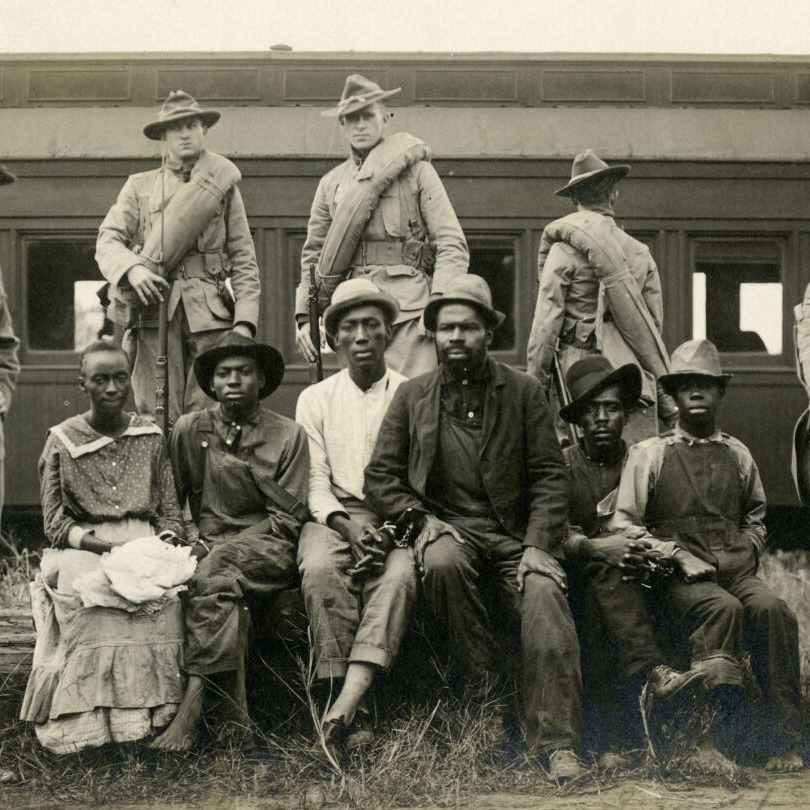
    Toney Howell (center, in white shirt) was arrested during the 1912 racial terror in Forsyth County. Though no witnesses came forward against him, he spent weeks in jail and narrowly escaped the fate suffered by others.

    Toney Howell spent weeks in jail as tensions exploded around him. He was not accused in the Mae Crow case, but the threat of mob violence hung heavy over him all the same. Eventually, after no witnesses came forward in the Grice case, Toney was quietly released. He survived the racial terror that consumed Forsyth County that year, but his life would never be the same.

    Toney Howell’s story is inseparable from that of his foster father, Morgan Strickland. Census records from 1900 list Toney as Morgan’s adopted son in Milton County.2 By 1910, he was recorded as Morgan’s nephew while they lived in Forsyth County.3 Morgan had no known biological children of his own, strengthening the bond between him and Toney. Their connection remained strong even after the violence of 1912 forced them to flee Forsyth County. When Toney started a new life in Gwinnett County, farming a rented plot of land, Morgan lived right next door.4

    In 1917, like many young men of his generation, Toney registered for the draft as the United States entered World War I.5 Described as tall, medium-built, with black hair and black eyes, he was called up in early 1918 and began training at Camp Gordon near Atlanta. He served with Company B of the 514th Engineers, a segregated unit tasked with critical construction and engineering work overseas. In April 1918, Toney boarded the USS Matsonia for France.6

    Toney Howell served honorably in France throughout the remainder of the war. After the armistice, he sailed home aboard the SS Von Steuben in June 1919 and was honorably discharged two weeks later.7 His service record proudly notes his rank of Private First Class. On military documents, Toney listed Morgan Strickland as his foster father and Duluth, Georgia, as his home.

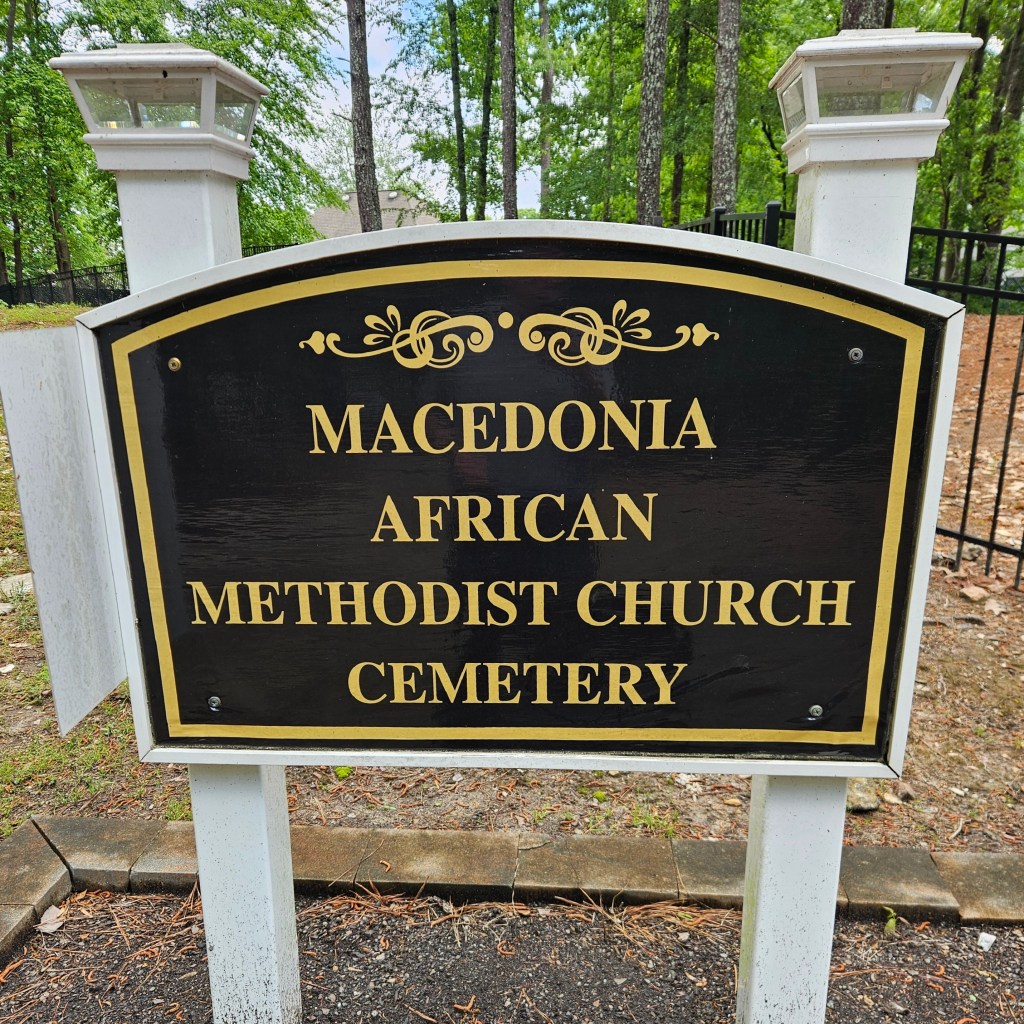
    Life after the war was not easy. Toney returned to farming in Gwinnett County, but by 1925, at just 36 years old, he passed away. His death certificate lists diabetes as the cause of death.8 Toney was buried in Warsaw, Milton County, Georgia, at Macedonia African Methodist Church Cemetery. Over time, the cemetery fell into neglect, but recent efforts by the city of Johns Creek have worked to preserve and restore the site. Today, there is no known marker for his grave.

    In 2022, the Johns Creek Historical Society and the Johns Creek Veterans Association honored Toney Howell as part of the “Wreaths Across America” program.9 They placed a wreath at a temporary marker for him, recognizing his service and sacrifice during World War I. Their research into Macedonia Cemetery identified Toney among the many veterans buried there without gravestones. It was a fitting, if overdue, gesture of remembrance.

    Toney Howell’s life was shaped by injustice, but it was also marked by resilience and dignity. He survived where others did not, served his country when called, and built a life where he could. His story, inseparable from that of Morgan Strickland, offers a window into the tragedy and the endurance of Black life in Forsyth County’s darkest chapter.

    Today, more than a century later, we remember.

    Footnotes

    1. Patrick Phillips, Blood at the Root: A Racial Cleansing in America (W. W. Norton & Company, 2016). 2
    2. 1900 U.S. Census, Milton County, Georgia, Household of Morgan Strickland, Toney listed as “adopted son.”
    3. 1910 U.S. Census, Forsyth County, Georgia, Household of Morgan Strickland, Toney listed as “nephew.”
    4. 1920 U.S. Census, Gwinnett County, Georgia, Household of Toney Howell, residence adjacent to Morgan Strickland.
    5. World War I Draft Registration Card, Toney Howell, Gwinnett County, Georgia.
    6. World War I Passenger List, Departure from Brest, France, May 29, 1919, Ship: Von Steuben.
    7. World War I Statement of Service Card, Georgia Archives, Toney Howell, Company B, 514th Engineers.
    8. Georgia Death Certificate, Toney Howell, January 22, 1925, Duluth, Gwinnett County, Georgia.
    9. Johns Creek Historical Society, “Wreaths Across America Honors Pfc. Toney Howell,” December 17, 2022, https://www.johnscreekhistory.org/NewsArchives/Dec17_2022_WreathsAcrossAmer_Macedonia.htm.

    What Happened to Morgan Strickland’s Land? A Case Study in Uncertainty

    On May 14, 1910, Morgan Strickland, a Black farmer in Forsyth County, Georgia, purchased 37.5 acres of land from N. J. Buice. The sale was recorded in the Forsyth County deed records (Deed Book Z, Page 498)1. The property was located in Land Lot 1012, and the purchase price was $425.

    Morgan Strickland in the 1912 Tax Rolls

    Tax records show Morgan paying property taxes on Land Lot 1012 in 1911 and 19122. He continued to appear on the tax digest for that land in 1914, 1916 (through an agent), and 19173. He is absent from the tax rolls in 1913, 1915, and after 1917.

    No record has been found of Morgan selling this land. His name does not appear as a grantor in any indexed deed books in Forsyth County.

    By the 1920 and 1930 federal censuses, Morgan was living in Duluth, Gwinnett County, as a renter4.

    Tracing the Land After Strickland

    A title search of Land Lot 1012 leads to a deed recorded on October 8, 1919, in which Willis O. Harris sold the property to Mrs. Pearl Anglin for $1,1005. This and several other deeds from the same time period refer to the land as the “Morgan Strickland Place,” indicating a local understanding that this was formerly Morgan’s land.

    However, no deed has been located showing how Willis O. Harris acquired the land. His name does not appear in the indexed deed records as a grantee.

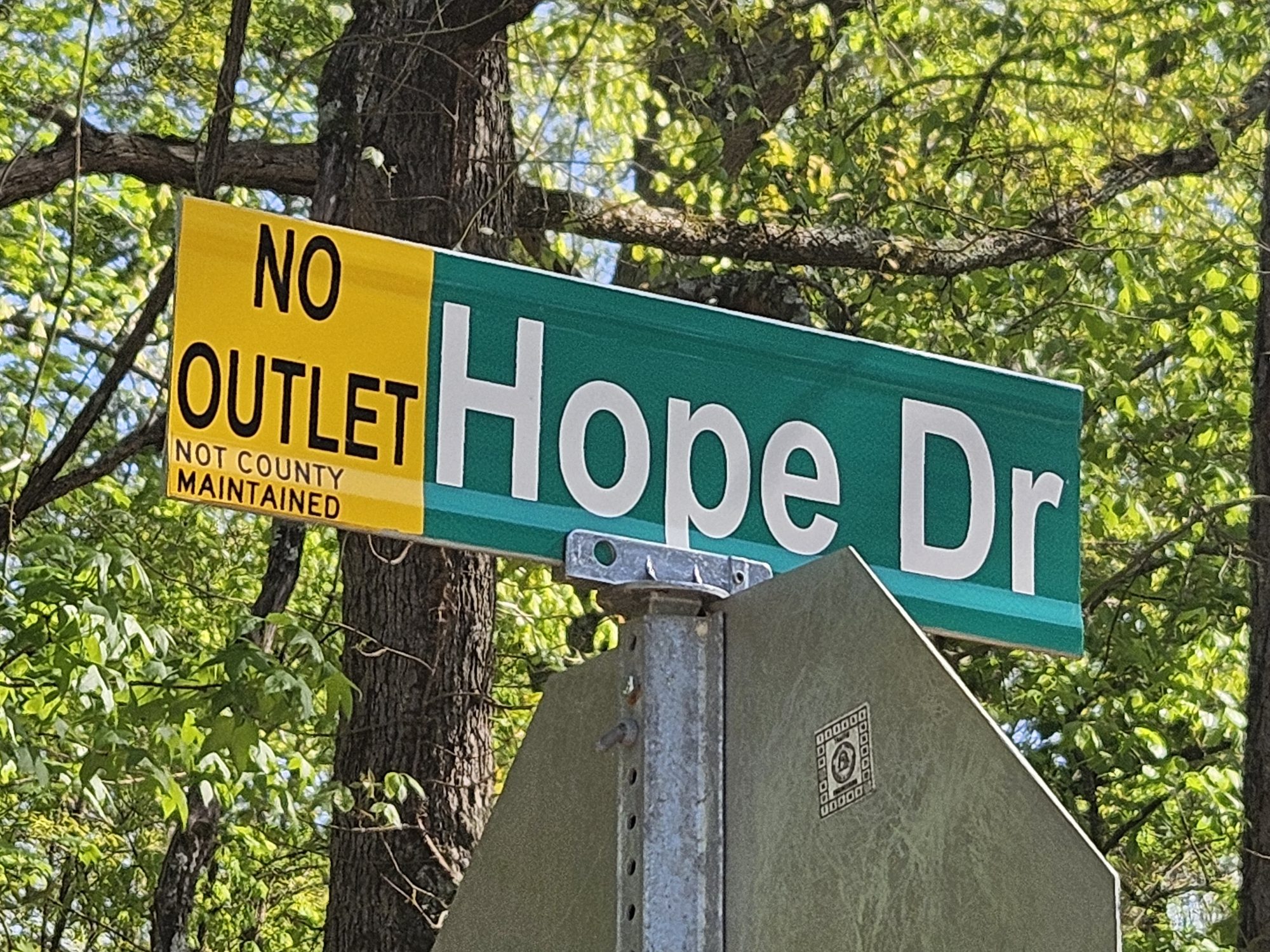
    From that point, the property changed hands multiple times over the 20th century. In 1974, a plat filed by Thomas H. Mitchell Jr. introduced Hope Drive6. In 2005, Forsyth County approved zoning application ZA3036, which created the Cascade Run subdivision7. The neighborhood includes 15 homes built shortly after the zoning approval. Today, these homes sell for approximately $1.25 million.

    Missteps in the Record

    Pulitzer Prize-winning journalist Elliot Jaspin discusses Morgan Strickland’s land in Buried in the Bitter Waters: The Hidden History of Racial Cleansing in America8. However, his account misidentifies the relevant land lot in a deed involving M. O. Terry. While the deed itself is legitimate, a common clerical error in listing the land lot appears to have led to a mistaken conclusion. The true gap in the title history seems to lie elsewhere.

    This underscores how even respected research can falter when faced with fragmented or inconsistent historical records. For this project, we aim to clearly separate what is known, what is plausible, and what is uncertain.

    A Complex Picture

    Morgan Strickland’s case may appear to suggest an erasure of Black landownership, but it is not representative of every outcome. Many Black families in Forsyth County did eventually sell their land. Some sales occurred soon after the 1912 violence, while others happened years later. Although not all transactions were fair or voluntary, most were at least documented.

    Morgan’s case stands out because there is no clear record of a sale. That gap does not prove wrongdoing, but it does highlight the ease with which a landowner’s presence could disappear from the historical record.

    What We Still Don’t Know

    There are still open questions. Was the land lost to unpaid taxes? Sold informally without a recorded deed? Taken through a legal process such as a sheriff’s sale that was never indexed? Or is there a missing record still waiting to be found?

    For now, we don’t know. But we’re still looking.


    Footnotes

    1. Forsyth County Clerk of Superior Court, Deed Book Z, p. 498.
    2. Forsyth County Tax Digest, 1911 and 1912. ↩
    3. Forsyth County Tax Digest, 1914, 1916 (entry via agent), and 1917.
    4. 1920 U.S. Census, Gwinnett County, Georgia; 1930 U.S. Census, Gwinnett County, Georgia.
    5. Forsyth County Clerk of Superior Court, Deed Book 5, p. 136.
    6. Forsyth County Clerk of Superior Court, Plat Book 10, p. 218.
    7. Forsyth County Board of Commissioners, Zoning Application ZA3036, approved January 26, 2005. Retrieved via Forsyth County Customer Self-Service Portal..
    8. Jaspin, Elliot. Buried in the Bitter Waters: The Hidden History of Racial Cleansing in America. Basic Books, 2007.

    On the Road Called Hope – Morgan Strickland

    In southern Forsyth County, near the banks of the Chattahoochee River, a quiet road cuts across an old parcel of land. The trees are trimmed, the mailboxes neat, and the street bears a name that catches the eye: Hope.

    This road runs adjacent to a small neighborhood called Cascade Run. It’s the kind of place with well-manicured lawns and quiet streets. But just over a century ago, this land told a different story.

    In 1910, a Black man named Morgan Strickland purchased 37.5 acres here, in what was then a remote and rural corner of Forsyth County1. His land sat in Land Lot 1012. It was fertile ground, close to the river, and for Morgan, it represented something powerful: ownership. A chance to build a future.

    Morgan was born around 1863, during the closing years of the Civil War2. He was part of the first generation of Black southerners born into legal freedom. That freedom came with no blueprint, no inheritance, and few allies. Still, Morgan did what so many newly emancipated men aspired to do—he acquired land. This act, though quiet on paper, was radical in its time. It meant autonomy, a measure of safety, and the ability to shape a future on one’s own terms.

    But in 1912, the fragile promise of Black landownership in Forsyth County came crashing down. That fall, a wave of racial violence and terror swept through the county. Threats and mob attacks forced out nearly every Black resident. Morgan Strickland disappeared from the tax rolls. There is no record of a sale, no transfer. His land simply ended up in someone else’s hands.

    He fled to neighboring Gwinnett County, where he lived out the rest of his days3. He never returned to Forsyth.

    Decades later, in 1974, a plat was recorded cutting a new road across his former land. That road was named Hope 4.

    It’s a striking name. Maybe it was chosen at random, pulled from a list of optimistic-sounding words. But for those who know the history, the name lands differently. This land once held the hopes of a man born into bondage and freed into a world that barely tolerated his presence. He dared to plant roots here, to build something for himself. And then it was lost.

    This post marks the beginning of a project dedicated to telling stories like Morgan Strickland’s. It is a project about land and loss, about the families who tried to hold on, and the forces that drove them out. I’ll be using deeds, tax records, census data, and contemporary sources to piece together what happened—who lived here, what they owned, and where they went when they were no longer welcome.

    Hope still runs across Morgan’s land. And perhaps, even now, that name is not misplaced. Telling the truth is its own kind of hope. And honoring the people who came before us is a step toward something better.


    Sources

    [1] Forsyth County Clerk of Superior Court, Deed Book Z, p. 498.
    [2] U.S. Census Records for Morgan Strickland, 1870–1930, approximate birth year listed as 1863–1865.
    [3] U.S. Census, 1920, Gwinnett County, Georgia, listing Morgan Strickland as head of household.
    [4] Forsyth County Clerk of Superior Court, Plat Book 10, p. 218 (recorded 1974).